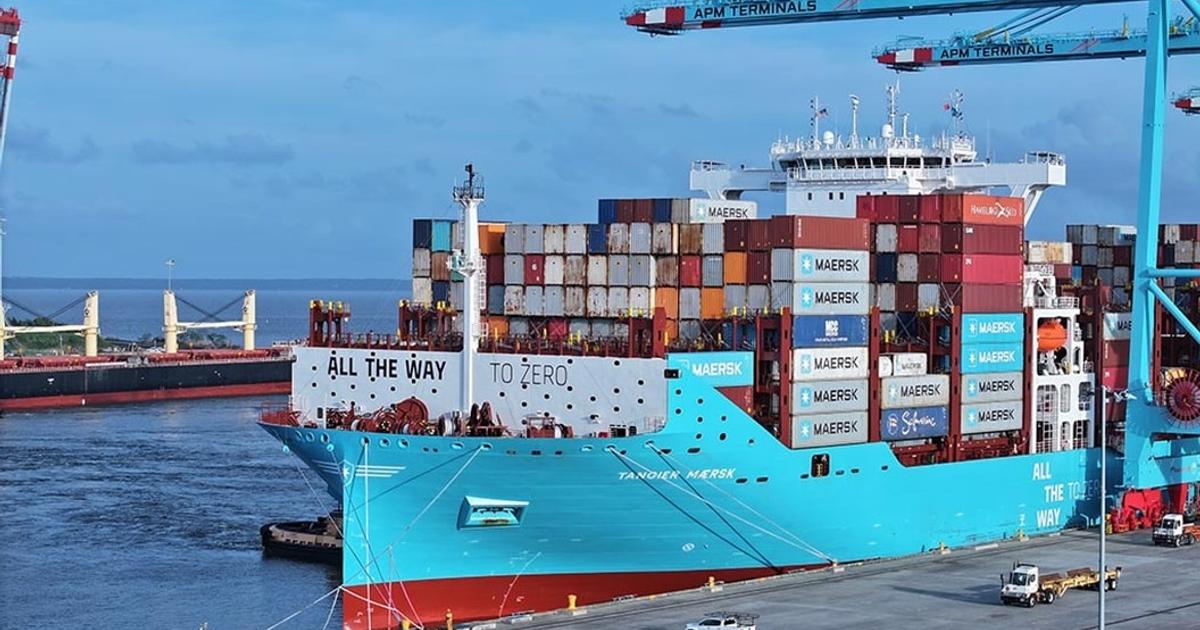
The operation marked the first ship-to-ship commercial ethanol bunkering of a deep-sea container vessel in the United States. The milestone is part of Maersk’s broader efforts to explore multiple potential fuel pathways for the future of shipping.
This operation provided valuable insight into the operational, infrastructure, sourcing, and supply chain considerations for using ethanol as a marine fuel. While ethanol benefits from an established production base, existing infrastructure, and compatibility with alcohol-enabled vessel technology, scalable future fuel pathways will also depend on fuel availability, regulation, and operational readiness across the maritime value chain.
Achieving lower-emission logistics requires turning new technologies into practical, scalable solutions. This bunkering operation aboard Tangier Maersk provides valuable real-world experience with alternative fuels in commercial shipping. The insights gained will help drive the development of more sustainable supply chains.
The operation builds on previous ethanol trials aboard Laura Maersk and Antonia Maersk and reflects Maersk’s continued commitment to exploring and advancing credible pathways to drive progress within the shipping industry’s energy transition.
Fast Facts
- Vessel: Tangier Maersk
- Vessel type: Dual-fuel alcohol-enabled container vessel
- Fuel used: 100% US-produced corn ethanol
- Operation: Commercial ethanol bunkering
- Location: United States
- Significance: First ship-to-ship commercial ethanol bunkering of a deep-sea container vessel in the United States
- Purpose: Support Maersk’s commitment to driving progress within the energy transition by exploring multiple future fuel pathways