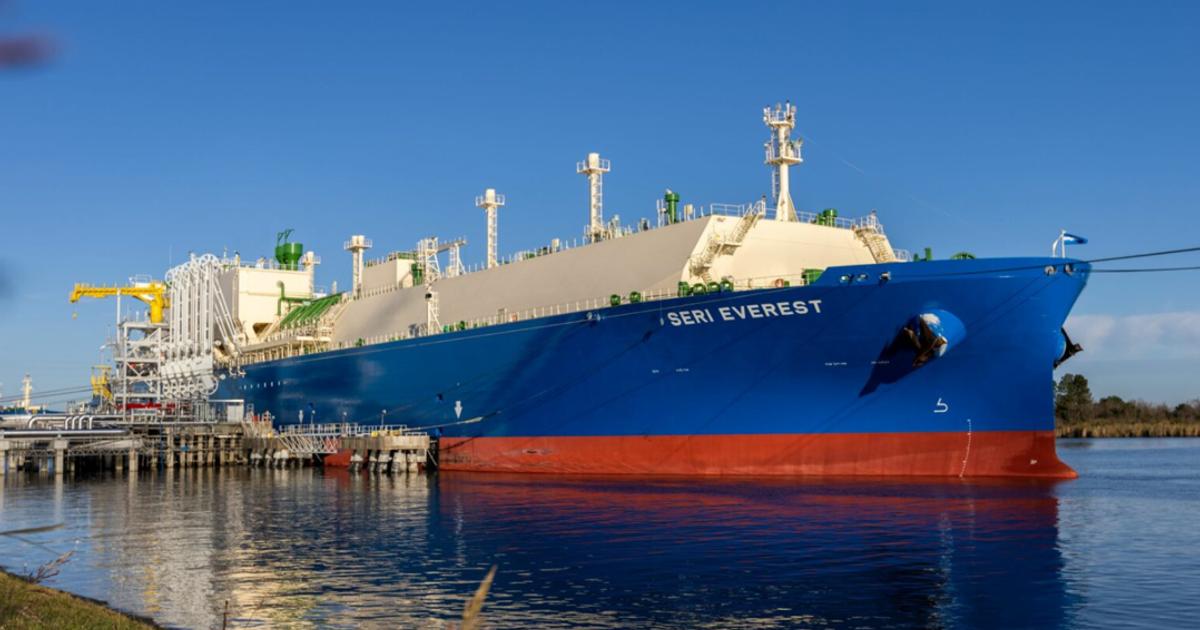
TMC’s scope of supply involves the delivery of a complete marine compressed air system, including service and control air compressors, to each of the two vessels.
“From an air volume capacity or technology perspective, our delivery is pretty straightforward, where we will apply marine compressors that have proven their reliability on thousands of vessels. However, to be able to install our systems on board what will be amongst the world’s largest VLECs adds a nice and interesting dimension to this specific project,” said Hans-Petter Tanum, TMC’s Director of Sales and Business Development.
TMC designs compressors solely for marine and offshore use, meaning for vessels that spend weeks, months, and even years without visiting a port. This will also be the case for these two VLECs, which will transport ethane from the US to Thailand, according to media reports. TMC’s compressors are therefore designed to allow the vessel crew to maintain the compressors themselves, also while at sea.
“We obviously have the capability to fly service technicians with spare parts offshore or to any vessel worldwide, but our philosophy is to design and develop compressors that prevent such activity. That is why we only develop compressors for marine and offshore use, as opposed to land-based compressors that have since been marinized,” added Hans-Petter Tanum.
Oslo-headquartered TMC has not disclosed the value of its contract with Hyundai Heavy Industries.