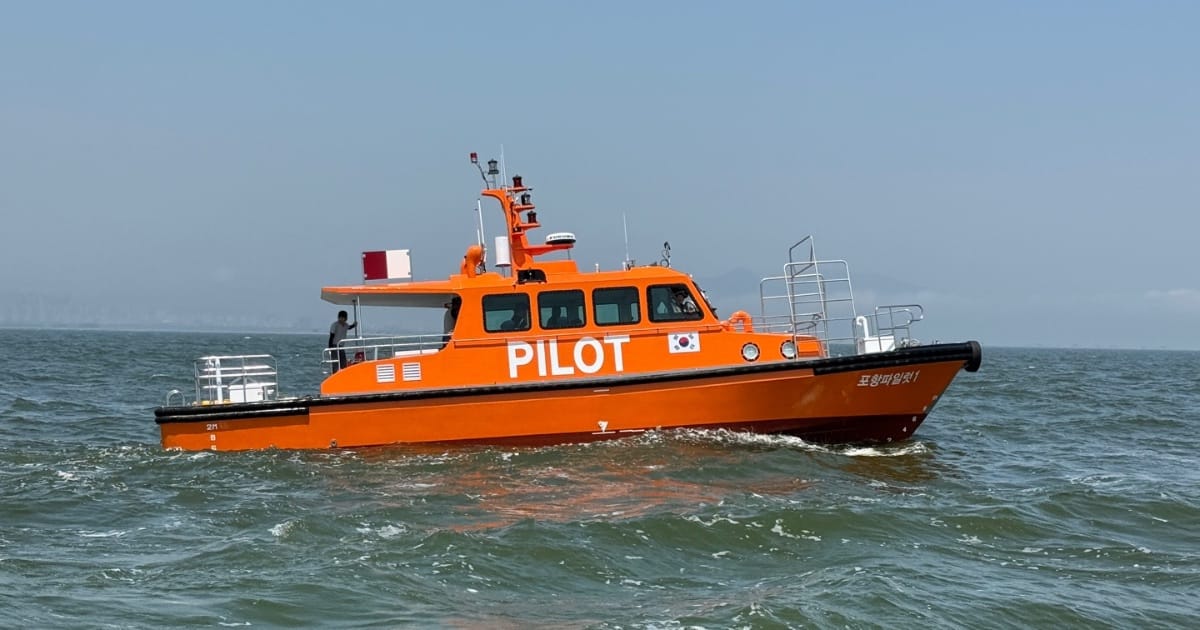
Pilot transfer arrangements, which include pilot ladders, handholds, securing points, and winches used to raise and lower the ladder, are critical safety equipment. Because pilots rely on these arrangements when transferring between vessels, even a minor design or installation deficiency can lead to a serious accident.
To strengthen safety in this area, the IMO Maritime Safety Committee adopted amendments to SOLAS Regulation V/23 and a new mandatory performance standard for pilot transfer arrangements on June 26, 2025, through resolutions MSC.572(110) and MSC.576(110). The amendments were developed based on accident cases and root-cause analyses compiled by the International Maritime Pilots’ Association (IMPA), with the aim of addressing identified safety risks and improving the reliability of pilot transfer arrangements.
Under the revised requirements, several key design standards will be strengthened. The minimum breaking strength required for strong points used to secure the pilot ladder will increase, while requirements governing the location of deck handholds will also be revised. In addition, a new minimum diameter requirement will apply to winch reel drums, and the drums will be required to incorporate a sunken securing point.
The revised design requirements will apply to pilot transfer arrangements installed on or after January 1, 2028. For ships with existing arrangements installed before that date, compliance will generally be required by the first survey conducted on or after January 1, 2029. For vessels not certified under SOLAS, the compliance deadline will be January 1, 2030.
KR recommends that shipowners and shipyards begin reviewing their newbuilding specifications and retrofit plans well ahead of the implementation date. Even for newbuildings scheduled for delivery before 2028, failing to reflect the revised requirements during the design stage could result in additional modifications shortly after delivery. For in-service vessels, advance planning is also important to align necessary modifications with drydocking and survey schedules, helping to minimize costs and operational disruption.
To support the industry’s smooth transition to the strengthened requirements, KR’s new technical information explains the major design changes and additional requirements applicable to in-service vessels through user-friendly illustrations. It also includes a practical checklist to support design reviews and survey preparation, enabling shipowners and shipyards to identify potential compliance issues and necessary modifications in advance.
“Pilot transfer arrangements are safety equipment directly linked to human life,” said Kyungbok Kim, KR’s Executive Vice President of the Statutory Division. “We encourage shipyards and shipowners to start reviewing their newbuilding specifications and retrofit plans now so that the strengthened requirements can be incorporated into drydocking and survey schedules with minimal cost and disruption.”