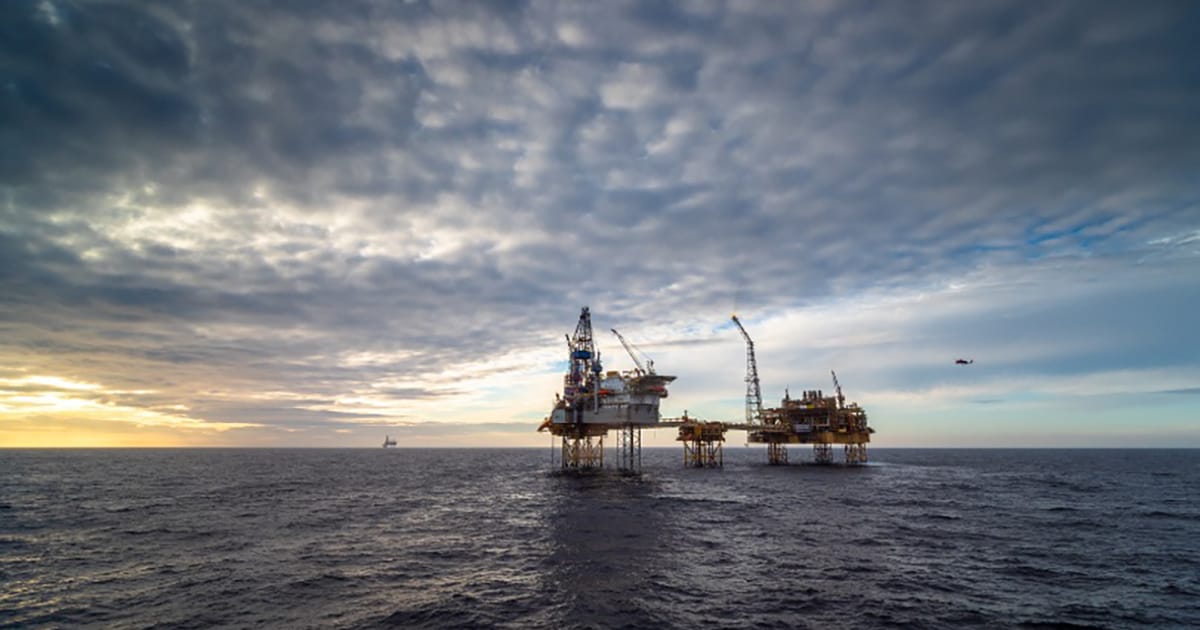
A partnership between global energy solutions leader Aggreko, and engineering consultancy Katoni Engineering, has dramatically cut fuel costs and emissions during a critical turnaround on a North Sea offshore platform.
The critical TAR project, which also included plug and abandonment (P&A) and decommissioning works, spanned 50 days and required reliable temporary power sources to keep life support systems and essential operations online during that time. Over this period, the partnership helped the platform operators avoid an additional 4.5 tonnes of carbon dioxide emissions over the 50-day period, as well as fuel and CO2 savings of almost £900,000 and £200,000 respectively.
While these procedures have previously been reliant upon diesel-fueled gas turbines operating at low load, this approach can be inefficient and lead to higher emissions undesirable under the UK Emissions Trading Scheme (ETS). Faced with an objective to find a more cost-effective and sustainable alternative that would keep systems operational during TAR, platform decisionmakers engaged Aggreko and Katoni Engineering’s expertise.
Drawing on its extensive experience in designing and managing of temporary diesel generation solutions in these scenarios, the Katoni Engineering team integrated a temporary diesel generation package tailored to the platform’s reduced TAR load profile. Any specified package also needed to include tie-ins for fuel, power and safety systems to be compliant with the platform operator’s requirements, adding further complexity to the project.
To provide this bespoke solution at the right size, Katoni Engineering turned to Aggreko. With one of Europe’s largest and modern rental fleets, the energy solutions specialist was able to supply the Stage V generators required in modular, containerized systems suitable to the challenging offshore platform environment. This service was further bolstered through the company’s robust maintenance support and continent-wide logistical capabilities to further ensure the power package’s overall resilience throughout the project.
“The North Sea oil and gas sector is entering a defining phase of offshore decommissioning and operators face mounting pressure on multiple fronts,” says Fraser Kerr, Director of Consultancy & Growth, Katoni Engineering Ltd. “This includes challenges over emissions, equipment availability, and operational integrity—all of which were apparent on this project.
“Yet these aren’t just technical problems—they’re planning, policy and procurement challenges too, and supply chain engagement will be key to confronting them. Our partnership with Aggreko is a strong example of this collaboration in action, and we are very happy with the savings we were able to deliver here.”
“Early engagement really is key to the more effective outcomes oil and gas stakeholders are seeking in offshore platform projects,” concludes Craig Ballantyne, Sector Development Manager at Aggreko. “Reliable, compliant and low-emissions temporary power has long moved from optional to a critical path item, and the insights of the wider supply chain will be crucial to ensuring the best possible generator procurement, deployment and operational practices.
“Together with Katoni Engineering, our work on this latest project further underlines why this approach will be crucial to maintaining operational continuity while responsibly winding down assets. In order to ensure the right solution, it is crucial operators are having the right conversations with experts within the supply chain—especially as offshore decommissioning accelerates and environmental regulations tighten.”